
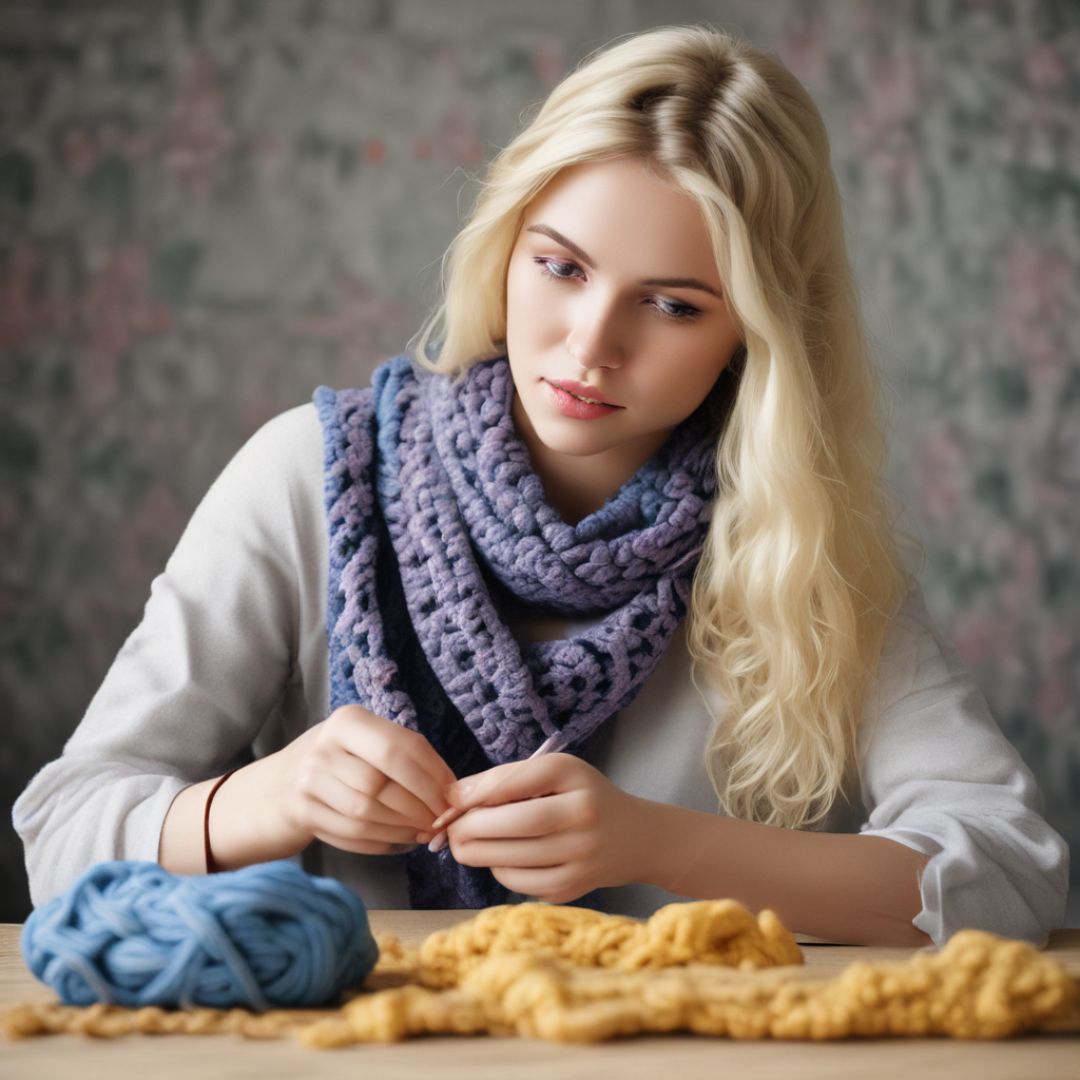
Fixing crochet mistakes is essential to create a professional look for your project. Watch out for common errors such as dropped stitches, incorrect stitch counts, tangled yarn, and twisted stitches. Learn how to identify and fix these mistakes to create perfect crochet pieces.
Understanding Your Crochet Work
To improve your crochet skills, start with the basics. Learn different stitches like single, double, and treble crochet. Experiment with patterns and techniques, and don’t be afraid to make mistakes. Reading crochet patterns can initially seem confusing, but understanding the terminology and symbols makes it easier. Take time reading a pattern, and ensure you understand each step before moving on to the next. Finally, pay attention to the yarn you’re using. Different types of yarn have different properties, such as weight, texture, and color. Choosing the right yarn for your project can significantly affect the final result.
Correcting Common Mistakes
Correcting common crochet mistakes is an essential skill for any crocheter. Knowing how to identify and fix mistakes such as dropped stitches, incorrect stitch counts, tangled yarn, and twisted stitches can help you create beautiful and professional-looking crochet projects every time. Following some simple practices can prevent and correct common crochet mistakes and take your crochet skills to the next level.
Unraveling and reworking:
Unraveling and reworking are common practices in crochet, especially when you’re still learning. It can be frustrating to make a mistake, but unraveling your work and starting again is always an option. To do this, carefully pull out the stitches, one by one, until you reach the mistake. Once you’ve corrected the mistake, you can work your way back up the rows with a crochet hook and some yarn. Ensure your tension matches the rest of the project to avoid inconsistencies.
Adding or removing stitches:
Adding or removing stitches in crochet can be daunting, but it’s not as difficult as it seems. If you need to add a stitch, simply insert your hook into the space between two stitches and make a new stitch. If you need to remove a stitch, carefully unravel the stitch until you reach the mistake, then correct your stitch and resume working your stitches
Fixing uneven stitches:
Various factors, such as tension, hook size, or yarn weight, can cause uneven stitches. Try adjusting your tension or using a smaller or larger hook size to fix uneven stitches. You can also block your finished project to even out the stitches. If the unevenness is due to different yarn weights, try switching to a more consistent yarn for your project.
Fixing missed stitches or wrong stitch placement:
It’s common to miss or place a stitch incorrectly when first learning to crochet. If you’ve placed a stitch incorrectly, you can simply unravel the stitch and rework it in the correct spot. Remember to check your work frequently to catch any mistakes early on.
Keys to Preventing Mistakes
Crocheting can be a relaxing and enjoyable hobby, but it can also be frustrating when mistakes occur. The good news is that preventing crochet mistakes is relatively easy and requires only a few simple practices. By following these practices, you can avoid common mistakes and create beautiful, professional-looking crochet pieces every time.
Consistency in tension and gauge:
Consistency in tension and gauge is crucial in crochet to ensure that all the stitches are uniform in size and shape. Tension refers to the tightness or looseness of the stitches, while gauge refers to the number of stitches and rows per inch. Maintaining consistent tension throughout the project ensures the finished product looks neat and professional. This can be achieved by practicing with different yarns and hooks to find the one that works best for you and being mindful of your tension as you work.
Counting stitches and rows:
Counting stitches and rows is another important aspect of crochet that helps prevent mistakes. It is important to keep track of the number of stitches and rows to ensure that the pattern is followed correctly and that the finished product has the correct dimensions. Stitch markers can be used to mark the beginning and end of each row, making it easier to keep track of the stitch count. A row counter can also be used to keep track of the number of rows.
Using stitch markers:
Stitch markers are an essential crochet tool that helps prevent mistakes and keep track of the pattern. They can be used to mark the beginning and end of each row, mark a specific stitch, or mark the location of a specific stitch pattern. This makes it easier to keep track of the stitch count and ensure the pattern is followed correctly. Stitch markers can be made from various materials, including plastic, metal, and yarn, and can be purchased or made at home.
Proper yarn and hook selection:
Proper yarn and hook selection is important in crochet to ensure the finished product looks as intended. The size of the hook and the weight of the yarn can affect the tension and gauge of the stitches, so it is important to choose the right combination for the project. The yarn label will indicate the weight of the yarn and the recommended hook size. It is also important to consider the fiber content and texture of the yarn, as this can affect the drape and feel of the finished product. Choosing the right yarn and hook will make the project easier to work on, and the finished product will look its best.
Get Ready for Smooth Sailing
Crochet is a calming craft that requires patience and practice. Fixing mistakes requires a calm mindset. Remember that crochet is a journey that takes time and practice to improve. Try creating crochet gift bags and visit Astraia Sky Designs to help achieve mastery.


Leave a Reply