

Stitch Your Year: A Fun Guide to Crafting Your Crochet Calendar
Do you have a pattern of productivity followed by dry spells where you don’t craft anything? Or do you find yourself struggling with your work-life balance, where crochet takes a back seat in your hectic life? There is something you can do to ensure your creative endeavors do not fall out of your life, and that’s with the creation of a crochet calendar.
The Benefits of Crochet Calendars
Creating a crochet calendar offers numerous benefits. It will help with organization and motivation, because you will always know exactly when and what projects you will be working on at any given point in the future. By being consistent with your craft activities, your skills can be enhanced and honed through steady project management that prevents your craft activities from falling to the wayside.
When you plan ahead of time, you can break down more complex projects into manageable sessions, ensuring a set completion date that won’t leave you feeling rushed. You can personalize your calendar and use it in conjunction with your crochet journal. It’s the ideal way to cater to your individual goals, tailored to your own organizational style.
Choosing a Format for Your Calendar
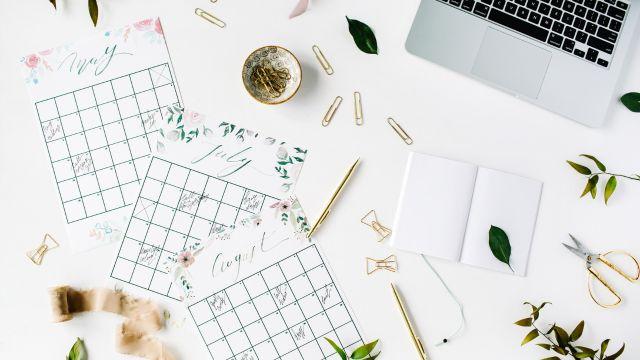
There are many ways you can create and document your calendar. Some crocheters will use a craft-specific mobile app, while others will opt for Google Calendar, which allows you to create multiple calendars. Other crafters will opt for a physical, non-year-specific planner or use Google Sheets or Excel spreadsheets to plan out their activity calendar.
The calendar format you choose will be based on the kind of lifestyle and personality you have. If you are tech-savvy and stay up-to-date with the latest apps and digital tools available to you, then the obvious choice would be a digital solution. If you’re down-to-earth and respond better to having your calendar physically available, then a planner would be the best option.
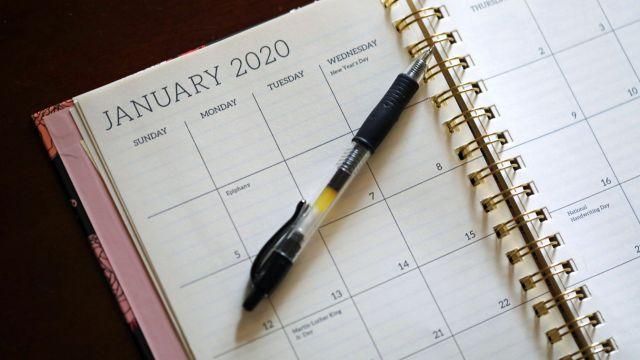
A third option would be to combine the two, keeping track of your plans in digital format while adding your plans to the physical house calendar. If you’re a busy parent, scheduling among play rehearsals and soccer practice, your loved ones will be able to see when it’s your reserved activity time. This will lead to fewer interruptions or cancellations of your personal time.
What to Look For in a Calendar (Physical or Digital)
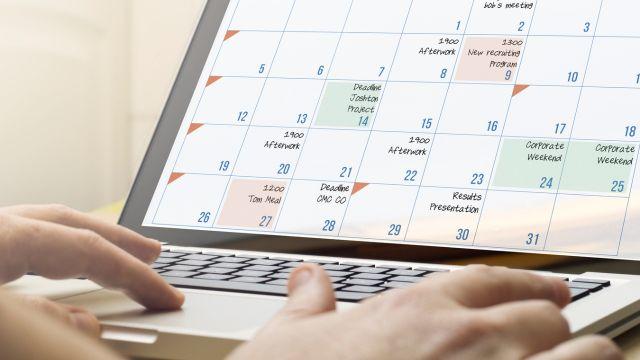
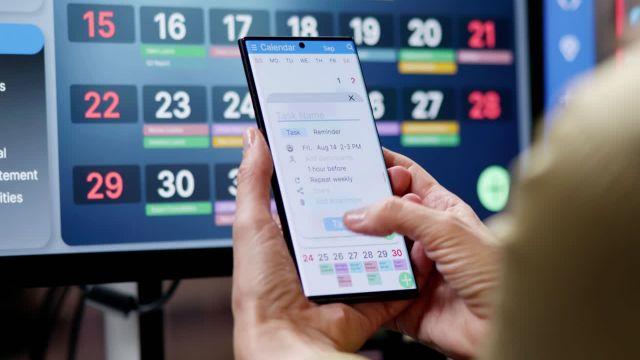
The key feature you want to have in a planner is the ability to log start and end dates for your projects, with milestone points in between. The ability ot mark your milestones as complete will help you observe the progress of your projects over their lifetime. When it comes to your digital planner, being able to set reminders for more significant deadlines will help keep you on track throughout the span of the project.
Consider a format that includes a section for notes on your tools, such as hooks, and materials like yarn. Notes will help ensure you have the inventory you need or the adjustments you had to make. You can also customize with color-coded capabilities to visualize your dates or change the views to single out a certain project. If you are using a digital format, look for one that you can sync with email, the cloud, or other calendars.
Planning Your Crochet Projects
The purpose of having a crochet calendar is to map out long-term goals for a year. This way, you can establish clear benchmarks. Planning your projects according to skill level and complexity will make easy and intermediate projects accessible, while having milestones for more complex, larger projects will ensure they aren’t abandoned. Creating a yearly calendar makes planning seasonal projects easier and can make your whole crochet experience more engaging. You can also make sure those crafted-with-love gift items are delivered on time.
Setting Timelines and Deadlines
The most important component of setting your goals for each project is establishing realistic timelines. If a given design takes two weeks to complete, do not schedule it for one. Also, if your schedule is hectic, stretch the completion date to four weeks to set yourself up for success. This highlights the necessity of having flexibility with deadlines to accommodate a work-life balance. Check your calendar regularly to help you evaluate progress and adjust your goals as needed. An end-of-the-month review can help you celebrate your progress and realign your timeline.
Personalize Your Experience
Your calendar is more than just noting dates and goals; it represents your personal crochet journey. When you have a calendar with a section for notes, it allows you to record anecdotes and track your accomplishments for motivation. Consider including social activities in your calendar, such as crochet events, workshops and fairs to build your crochet network. All of these factors can both motivate and inspire you to better plan for future projects.
Document Your Journal From Your Calendar
Your calendar should be a crucial component of your crochet journal. All of the notes, time tracking, stories and photos can be compiled into a well-rounded portrayal of a completed project. You can add suggestions for improvement and mark noteworthy changes you made to the design in your journal. This will help you if you repeat the project or have created an original design. You will be able to recall how long the project actually took, as well as which parts took longer or shorter than expected, making it easier to plan similar projects in the future.

Keep a Calendar, Preserve Your Journey
Crocheting and crafting are integral parts of maintaining self-care. Establishing a calendar is like insurance that you are committing to that care. It also serves to establish clear and realistic goals for your projects, mapping out a whole year of crochet activities. Finally, with the close of each project, you will be able to update your journal based on notes and memories for the timeframe of a specific project. So, pick a format and plan for a great crochet year. Happy crocheting!


Leave a Reply