

Stitched Through Time: The Evolution of Crochet Trends Over the Decades
Crochet extends beyond a simple hobby; it reflects shifting views on handmade goods, intertwines with social movements, and mirrors fashion revolutions. Evolving from an economic lifeline to a modern statement on sustainability, its changing trends tell the stories of the people behind the craft.
Handmade Beginnings and Early Design Foundations
In the mid-19th century, particularly during the Irish Potato Famine, crochet transformed from a leisure activity into a vital economic lifeline. Families made durable bedspreads and heavy wool shawls out of coarse, local materials to survive harsh winters. Concurrently, the rising middle class embraced fine cotton crochet lace as an affordable alternative to expensive luxury needlepoint. Early print media and published pattern books soon standardized stitch names, allowing isolated crafters to share techniques and establish regional variations.
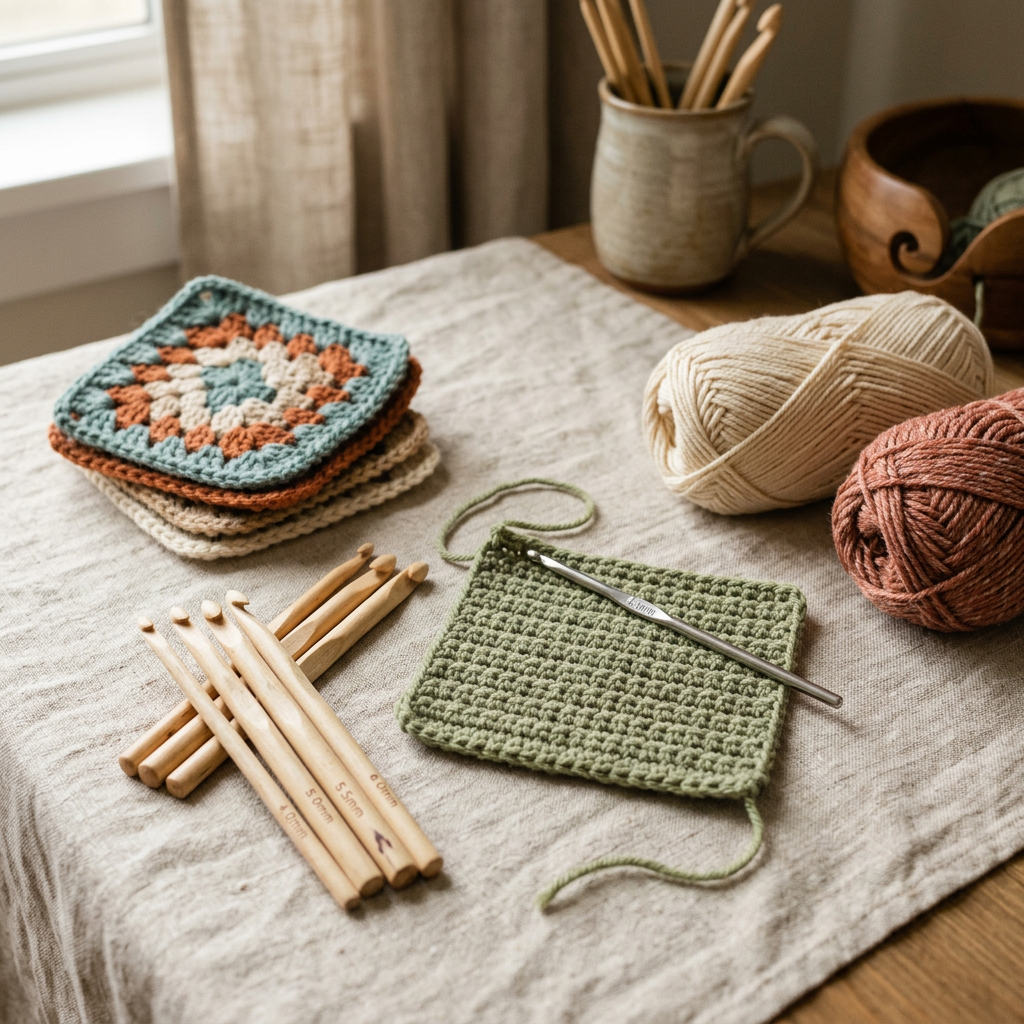
The granny square layout was first published in 1897 as a “Patchwork Square,” born from the frugality of using up small yarn scraps from larger garment projects. Because individual blocks were highly portable, it became an ideal pick-up-and-go domestic craft. Its modular nature proved invaluable during the Great Depression and WWII rationing, when women routinely unraveled worn garments to crochet blankets and coats.
Early crocheted items prioritized utility over fashion, utilizing dense stitches to build protective undergarments and socks with little regard for silhouette or color. Long pigeonholed as a feminine, domestic chore, the craft was excluded from mainstream art and design spaces. However, this domestic isolation allowed generations of makers to refine complex stitch structures, building the technical foundation for future innovations.
The Iconic Crochet Boom: 1960s–1980s
As anti-establishment movements grew, a younger generation rejected corporate mass production in favor of authentic self-expression. Crochet became a badge of counterculture rebellion, and hand-crafted apparel was worn as a protest against capitalism. The granny square shifted from home decor to the runway, manifesting as vibrant vests, maxi skirts, and halter tops. Validated by style icons like Janis Joplin and Cher, crochet quickly transitioned from an old-fashioned hobby to an edgy, rock-and-roll style statement.
The visual identity of late-70s crochet featured an aesthetic split between natural earth tones (like harvest gold and avocado green) and loud, psychedelic chevrons. Pushing design boundaries, crafters discarded traditional wool to experiment with synthetic acrylics, hemp, jute, and raffia to construct highly structural, three-dimensional garments and home goods.
The 1980s brought rapid industrialization and affordable fast fashion, causing a massive drop-off in home garment production. As minimalist, sharp corporate tailoring dominated the industry, hand-crocheted items were cast aside as outdated. The craft pulled back into the domestic sphere, quietly preserved by local church circles, county fairs, and small-town yarn shops that kept historical pattern books in circulation.
Modern Crochet: Revival, Sustainability, and Innovation
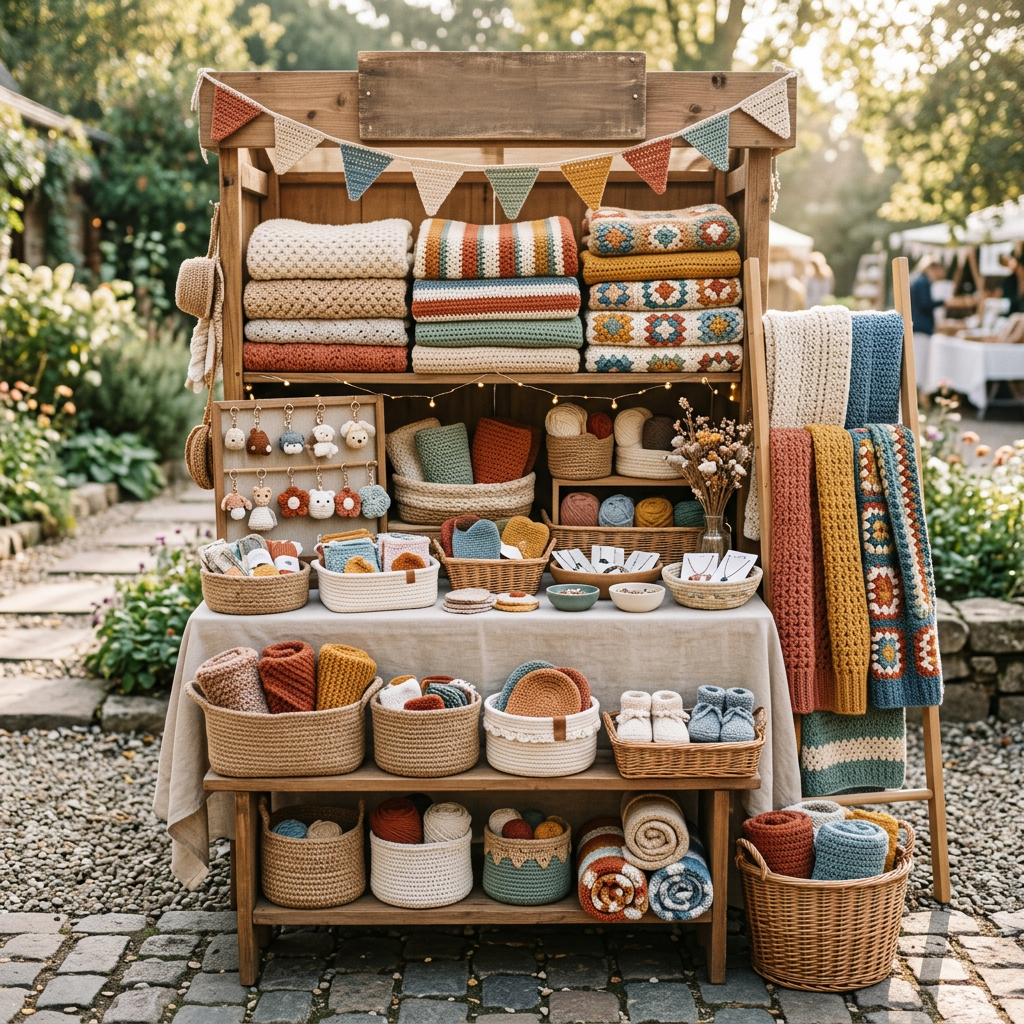
Visual algorithms on platforms like TikTok and Instagram have sparked a massive global revival, rebranding crochet with modern pastel aesthetics for a younger demographic. High-definition YouTube tutorials and digital PDF patterns dismantled traditional learning barriers, making the craft accessible to anyone. Simultaneously, marketplaces like Etsy allowed independent designers to bypass corporate gatekeepers and turn their hobbies into thriving global businesses.
Elite luxury fashion houses now frequently feature crochet in their collections, blending vintage nostalgia with contemporary tailoring using premium silk and merino wool. Today’s everyday crochet emphasizes breathability and fluid drape through minimal, open-weave tops and neutral tote bags. Even the classic granny square has been modernized with sophisticated monochromatic schemes and precise, calculated fits.
Because crochet stitches cannot be replicated by automated industrial machinery, every crocheted item in the world must be made entirely by human hands. This has made crochet a flagship symbol of the Slow Fashion movement, celebrating human labor and artistry. Modern crafters favor eco-conscious, sustainable fibers like organic cotton, bamboo, and recycled textiles over petroleum-based synthetics. This deep time investment fosters a personal attachment to the garments, encouraging longevity and repair rather than a throwaway mindset.
From Humble Beginnings to a Future Expanse
Ultimately, crochet stands as a timeless testament to human ingenuity, bridging the gap between historical survival and contemporary self-expression. As a craft that completely defies modern automation, it remains uniquely personal, anchoring the global slow fashion movement in the value of human labor. By continuously evolving across decades, crochet proves that the threads of the past will always find a meaningful pattern in the future.

Leave a Reply