
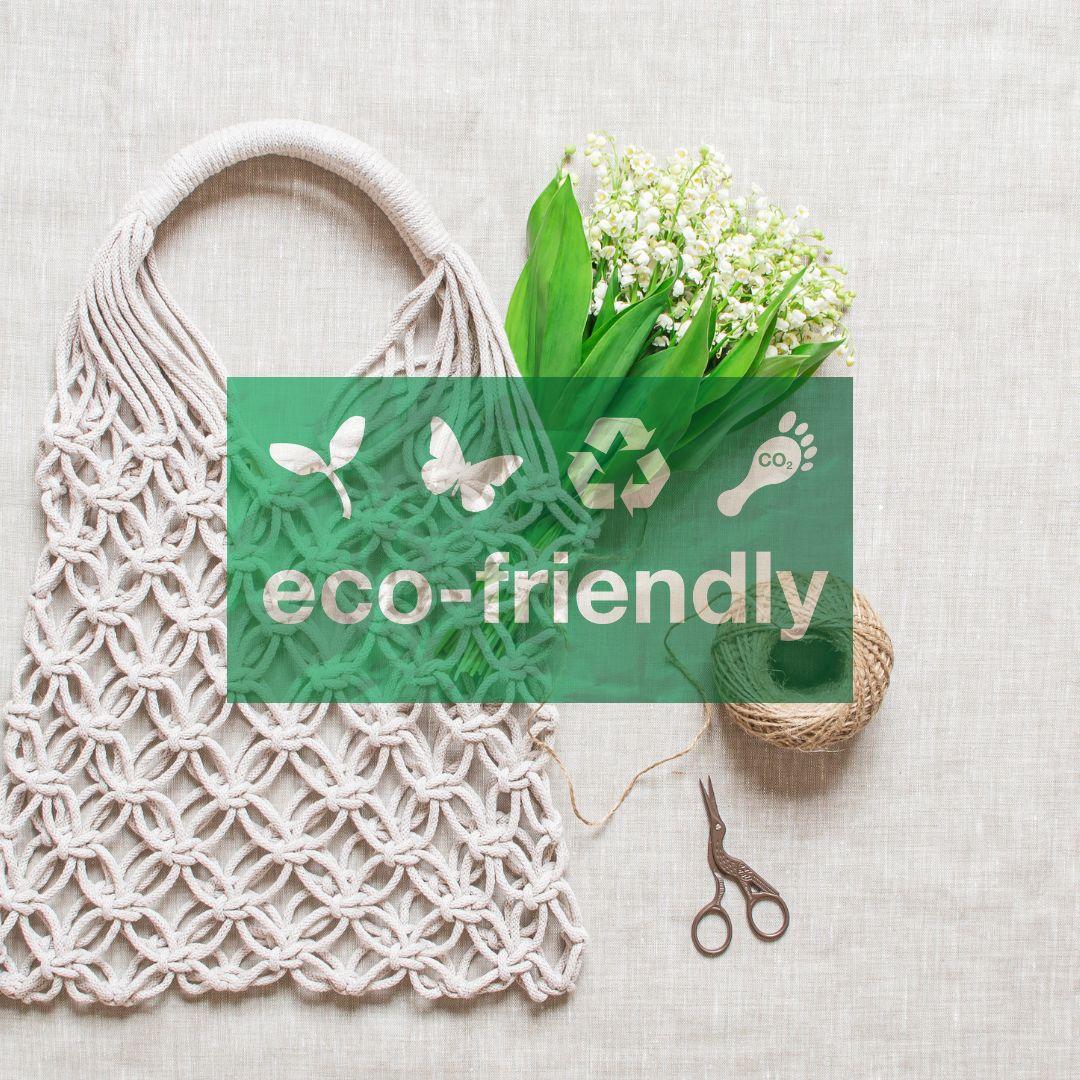
Eco-Friendly Crochet: Sustainable Yarn Alternatives and Upcycling Techniques
Crocheting is a creative and relaxing hobby with sustainable and eco-friendly practices. Crocheters contribute to waste reduction and environmental conservation by using alternative yarn and upcycling techniques. There are many sustainable yarn options and upcycling techniques available for crochet projects.
Sustainable Yarn Alternatives
When it comes to sustainable yarn alternatives for crochet projects, the options are as diverse as they are inspiring. From the softness of organic cotton to the strength of bamboo and the durability of hemp, these yarns not only offer unique textures and qualities for crochet projects but also contribute to reducing the environmental impact of yarn production.
1. Organic Cotton Yarn
Organic cotton yarn is produced without synthetic pesticides and fertilizers, making it a more sustainable choice than conventional cotton yarn. It is also biodegradable, which reduces its environmental impact.
2. Bamboo Yarn
Bamboo yarn is derived from the cellulose of bamboo plants, making it an eco-friendly option. Bamboo is a highly renewable resource that grows quickly and does not require chemicals for cultivation.
3. Hemp Yarn
Hemp yarn is known for its durability and sustainability. Growing hemp plants requires minimal water and pesticides, making hemp yarn an environmentally friendly choice for crochet projects.
Upcycling Techniques
Embracing upcycling techniques in crochet is not just about sustainability, it’s about unleashing your creativity and giving new life to old materials. Whether it’s unraveling old sweaters for yarn, using fabric scraps to create rag rugs, or incorporating old buttons or beads into crochet designs, these techniques offer endless possibilities for unique and eco-friendly creations.
1. Yarn Scrap Projects
Crocheters can collect yarn scraps from previous projects and combine them to create colorful and unique items. Yarn scraps can be used for small accessories such as coasters, keychains, and patchwork projects.
2. T-shirt Yarn
Old t-shirts can be upcycled into yarn by cutting them into strips and joining the strips together. This technique reduces textile waste and creates a soft and versatile yarn for crochet projects.
3. Reclaimed Yarn
Crocheters can unravel existing knit or crochet items to reclaim the yarn and use it for new projects. This method minimizes waste and gives old yarn a new purpose.
Environmental Impact of Eco-Friendly Crochet
By integrating sustainable yarn alternatives and upcycling techniques into their crochet practice, individuals can significantly reduce their carbon footprint and make a tangible impact on environmental conservation. Each stitch, each project, is a step towards a more sustainable and responsible approach to crafting, and a testament to the power of eco-friendly crochet.
The Power of Eco-Friendly Crochet
Eco-friendly crochet is not only a way to express creativity and create beautiful handmade items but also a means to support sustainable practices and minimize environmental impact. By exploring sustainable yarn alternatives and embracing upcycling techniques, crocheters can make a positive contribution to a greener and more sustainable world. We’d love to see your eco-friendly crochet projects or hear your tips for sustainable crafting. Let’s continue to enjoy the art of crochet while being mindful of its environmental implications.


Leave a Reply