
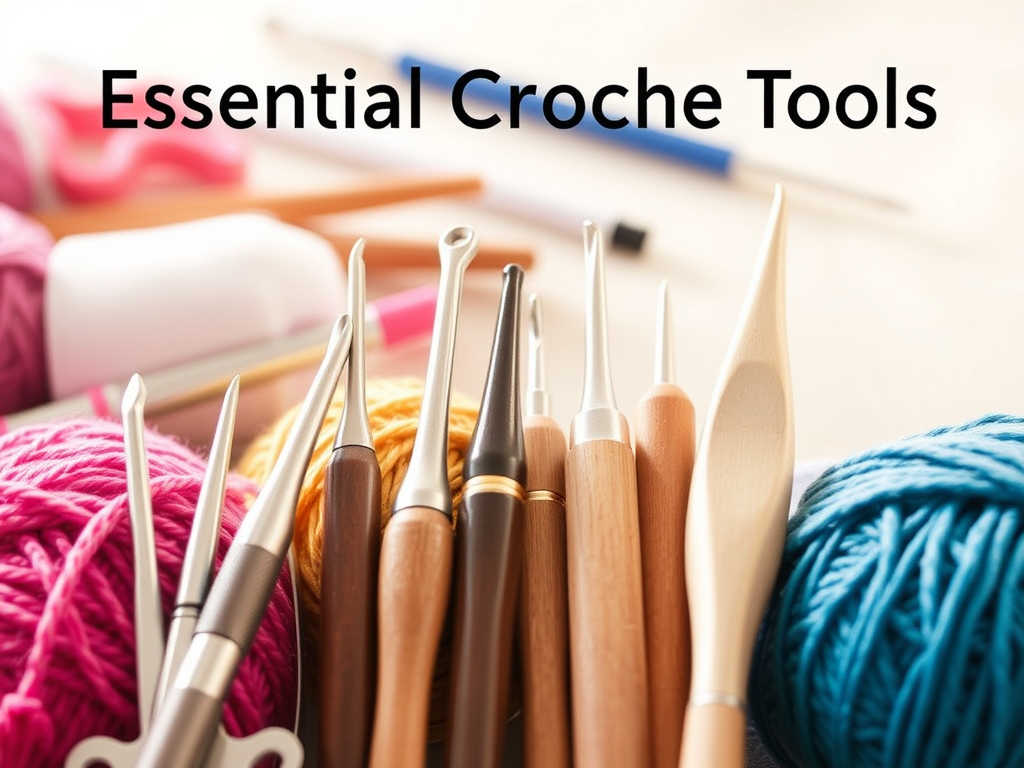
Beginner’s Guide to Essential Crochet Tools
Crochet is a textile craft that involves stitching yarn to create a fabric for clothing, home decor items and more. The different sizes and textures inherent in the diversity of hooks and yarn is nearly infinite. Knowing about your essential crochet tools will help you get the results you hope for and boost your crochet experience.
Essential Crochet Tools
For a simple pattern, the most basic tools you need are a hook and scissors to work with your yarn. Yet, there are other tools you need that will facilitate your learning experience. Discover which style of hook is best. Select a trusty pair of scissors. Choose the right stitch markers and measuring tapes for your project. These tools will enhance your experience and produce the best possible results for your work.
Crochet Hooks
The crochet hook is at the top of the list of essential crochet tools. For the best experience, think about the type of yarn you’ll use. Consider which hook will make you most comfortable for the fiber you’ll use. Choosing the right hook is crucial. It helps produce the best results quickly. It also ensures the best tension and shape.
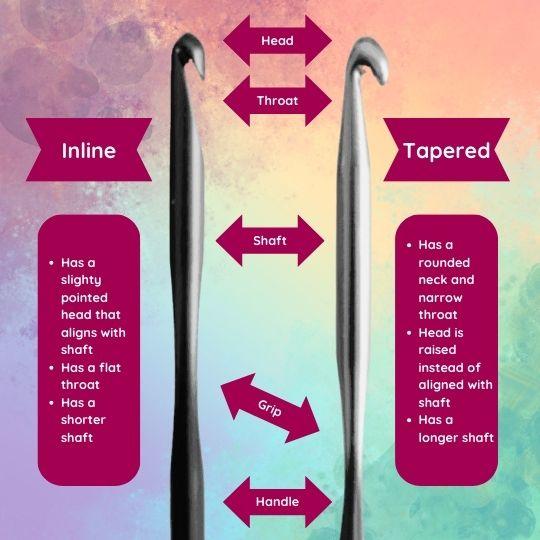
A crochet hook has five main parts. A head which can be pointy or round. There is a throat that is the underside of the head, then the shaft, the \
rip, and the handle. There are two main types of crochet hooks that crocheters use: the inline hook and the tapered hook. There is a third but lesser-known hook, a combination of both hooks.
Hooks are made out of different types of materials, including metal, plastic, wood and bamboo. Hook size and yarn used will effect the size and texture of your work. Each type of crochet hook offers different benefits and works well with specific types of yarns. Here are some common materials used for crochet hooks, along with the yarns they generally work best with:
Aluminum hooks have a slick surface that allows smooth movement through the yarn. They aid in crochet speed because of this. Because they are made of metal, they are durable and last a long time. You can find them in plenty of colors and sizes. They work especially well with acrylic or cotton yarns.
Steel Hooks are very thin and used for crochet threads and other fine yarns like lace weight. They allow for better precision and control of your work. This makes them ideal for intricate projects like doilies and lace. These are often used for special occasions.
Plastic Hooks work best with medium and lightweight yarns, and in general, you can get them at a good price. They work well for beginners and are lightweight. They are less likely to slip out of a stitch, but they do not glide as smoothly as metal hooks.
Wood Hooks work best with slippery fibers like wool and other natural fibers. They feature a little more grip than other hooks, and they also feel warmer than metal and plastic hooks.
Bamboo hooks are like wood hooks and work well with wool, natural fibers and various other types of yarns. These hooks are good for those who seek an Eco-friendly crochet tool.
Ergonomic Hooks are ideal if you are prone to wrist pain from repetitive movements or have arthritis. They work with any type of yarn and are often made of metal or plastic. These hooks are designed to reduce hand strain and work well if you plan on long crochet sessions.
Glass hooks are mostly purchased as a decorative novelty but are functional. They provide the smooth experience of a metal hook and are mostly used with specialty yarns. You must be careful when crocheting with a glass hook, as they can break easier than other hooks.
Scissors
There are a few other tools that will make your crochet sessions easier or more exciting. You can choose one type of tool or several from a category for a specific need. For example, keep a pair of embroidery scissors at home. Also, have a pair of folding scissors in your crochet bag for portable projects.
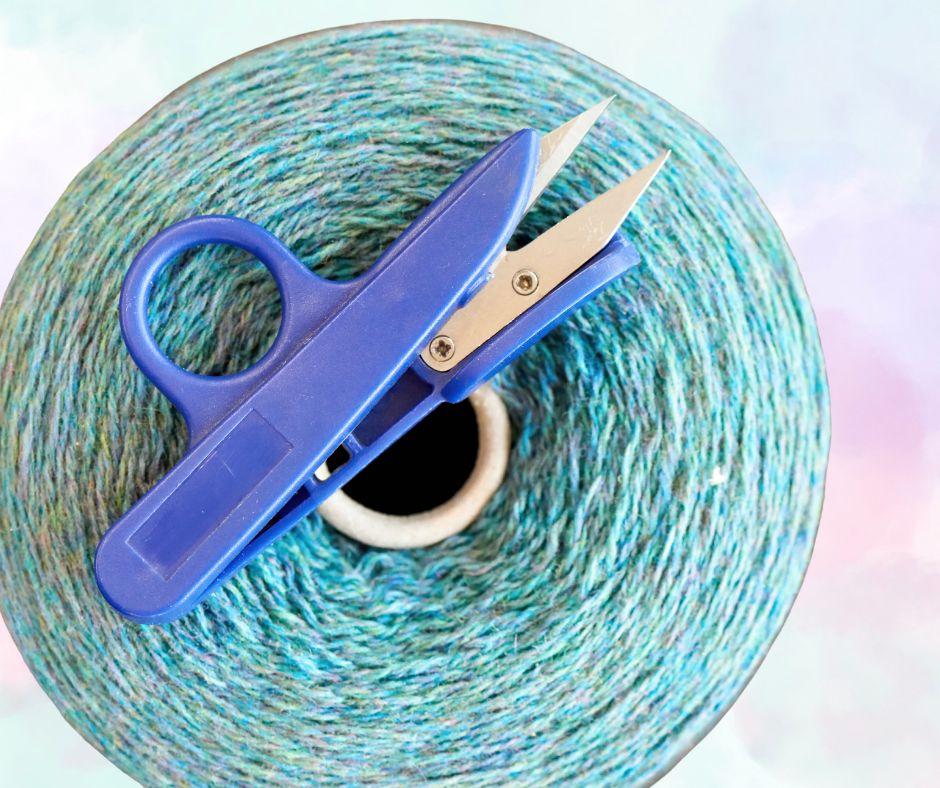
Scissors separate the yarn from your finished work when you are joining colors or when you finish your project. There are several types of scissors, and you may wish to use more than one of them.
- Embroidery scissors are known to be small yet sharp and are ideal for cutting the ends of yarn
- Folding scissors are great for crocheting on the go because they are compact and won’t cut you when you search around in your crochet bag
- Safety scissors have rounded tips, making them a safe option for children
- Craft Scissors usually cater to a specific usage and are typically used to cut thicker yarns
- The Yarn Cutter Pendant is not a scissor but a small disk with blades used to cut yarn and is worn as a necklace
Tape Measures
Having a way to measure your work is crucial. It ensures your project comes out the same size intended in your pattern.
- Flexible Tape Measures, also called dressmaker’s tape, are good for measuring flexible fabrics such as yarn
- Retractable Tape Measures retract into a compact case and are portable and good for quick measurements.
- Digital Tape measurements are electronic tape measures that display results digitally and aid in accurate and specific results.
- Magnetic tape measures are often used for sewing and crafting. They stick to metal surfaces. The tape holds and projects down while measuring.
- Measuring tape with French ruler marks are tape measures that have both inch and centimeter markings for international patterns.
Stitch Markers
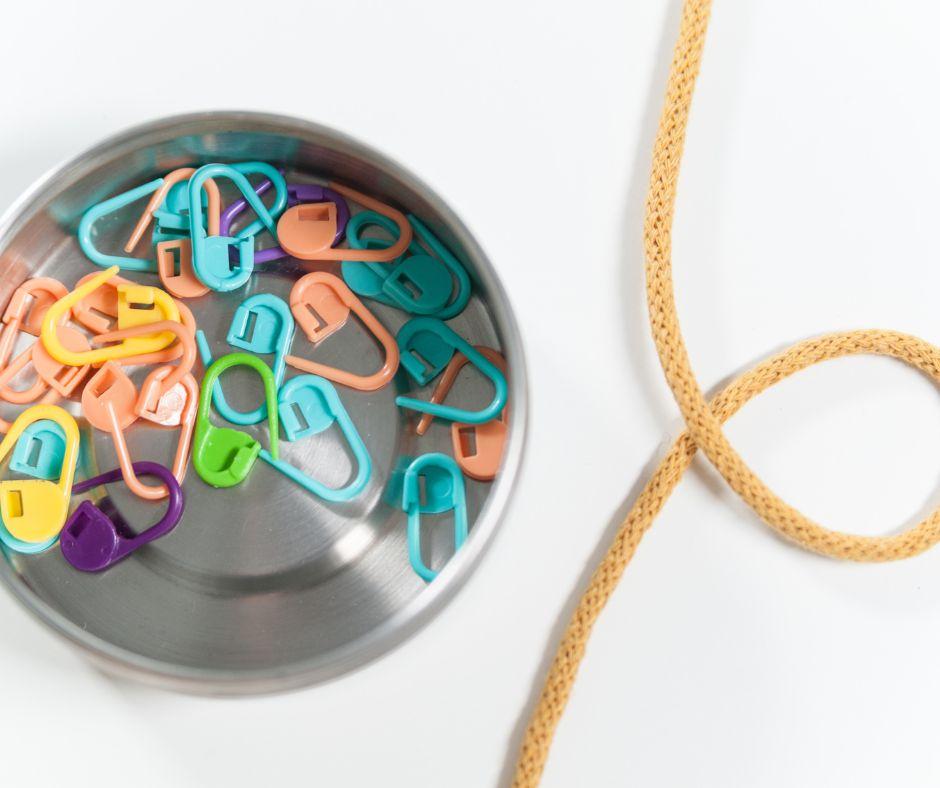
The purpose of a stitch marker is to keep track of your progress as you crochet. While they are a completely optional tool, they are strongly recommended. Here are some examples of different types of stitch markers used in crochet, along with their intended uses:
- Locking stitch markers have a clasp that locks into place and keeps track of specific stitches and rows. They are good for marking stitches in round or complex rows
- Split ring stitch markers fit onto the yarn like a jump ring, making them easy to slip into your stitch or row. They lock into a stitch and are used for specific project sections
- Clip-style stitch markers clip onto your stitches and will stay in place. Used for marking increases or decreases, they are easily removed as you work
- Removable stitch markers are temporary markers that slip in and out of stitches without fastening for when you aren’t going to need something long-term in the project
- Cable stitch markers are used to track the twists and turns in cable crochet work.
- Magnetic stitch markers may be used for large projects and can be attached to a magnetic board so you can track your progress. When your project calls for frequent counting or has a great deal of rows, these are a good solution
- Indicator stitch markers have different colors or shapes to indicate different sections of a pattern or special stitches. The different colors help organize sections of your project
- Threaded stitch markers are made from a thin piece of scrap yarn or thread and are good for marking rows or stitches
Personalize With Embellishments
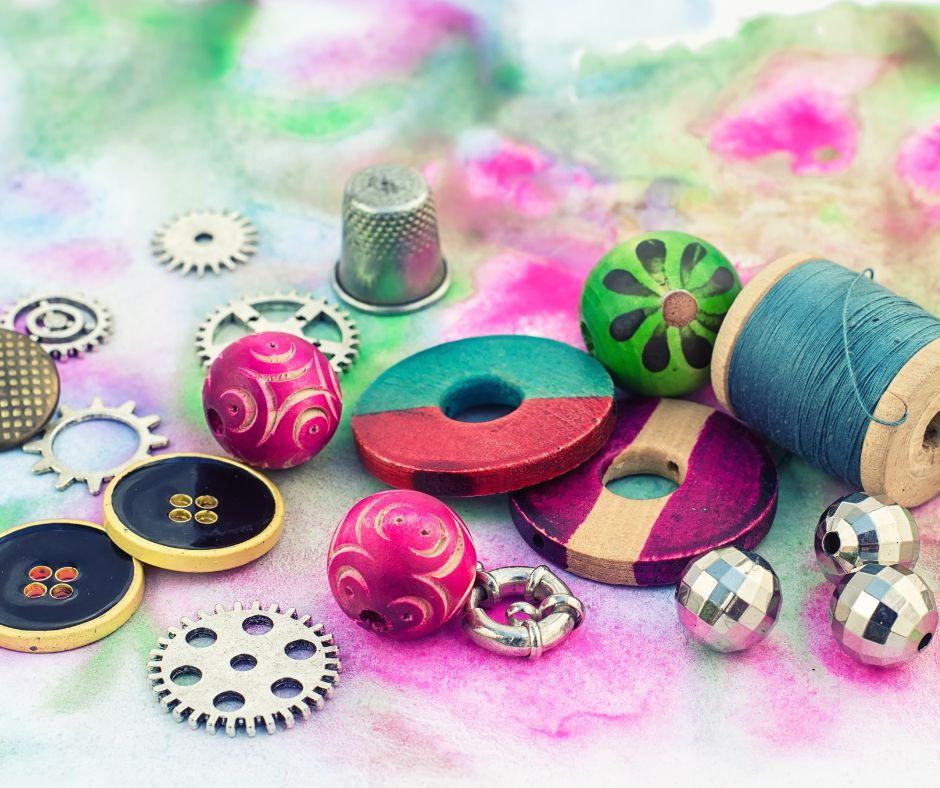
Some projects call for extra items to complete and personalize a project. They can elevate and enhance your work or make it functional. Embellishments can complete a project, be used for decorative purposes, or to add texture and dimension to a project. Some examples of embellishments include buttons, beads, appliques, fringe, ribbon, ribbons, lace and pom poms. They add a personal touch to enhance your creativity further. Some embellishments function, such as buttons for clothing. Some embellishments, like appliques, are decorative. Embroidery is also a great way to customize your project into something even more unique and personal.
:
Storage and Organizing Your Crochet Tools and Supplies
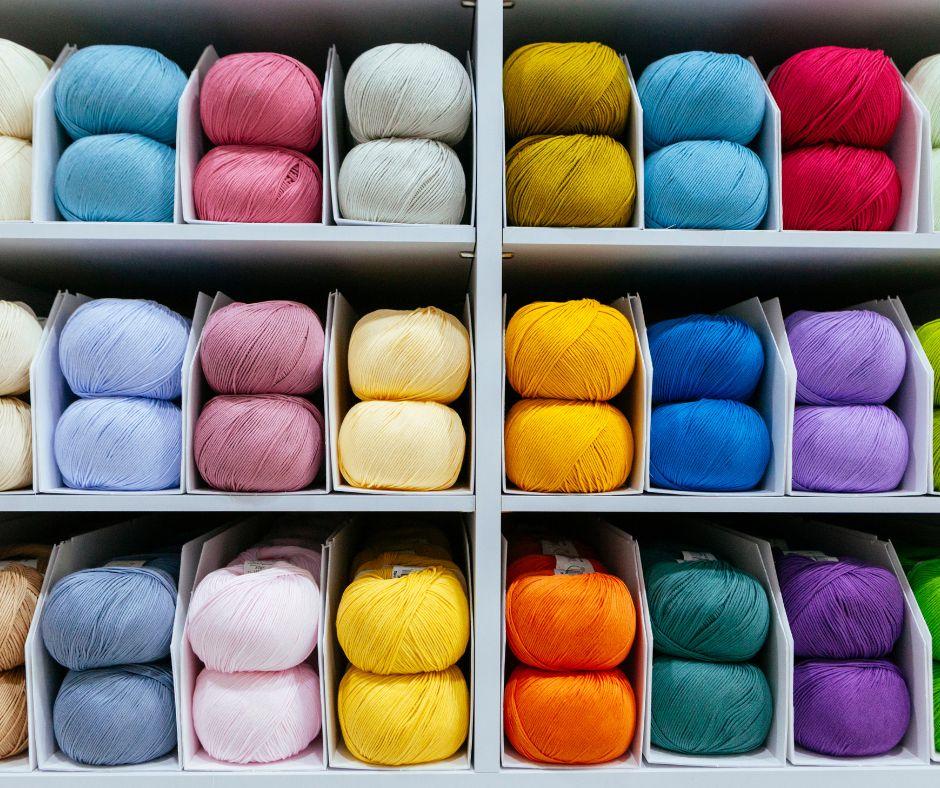
Staying organized will help make planning and executing your crochet projects easier. You can use clear storage bins to easily identify and access yarns. Putting up shelves to display yarn is another way to access your supplies easily. Yarn bowls are a great way to store yarn as you work and prevent tangles. Rolling carts will allow for portability as you can take your projects to various rooms in your home.
There are many options to help keep your tools accessible. Pegboards are a way to neatly display scissors, hooks and other tools. Use drawer organizers to keep your crochet hooks neat. Zippered bags like pencil holders help store smaller tools. Desktop organizers keep frequently used items at hand. An organized space helps with the functionality and ease of your crochet project.
Be Prepared for Your Crochet Journey
Learning about the essential tools used in crochet will get you off on the right foot toward your crochet journey. Start by getting familiar with the primary tool, the hook. Experiment with different a few options discussed here and determine what works best for you. Feel free to share your favorite tools in the comments and why they work for you.


Leave a Reply