
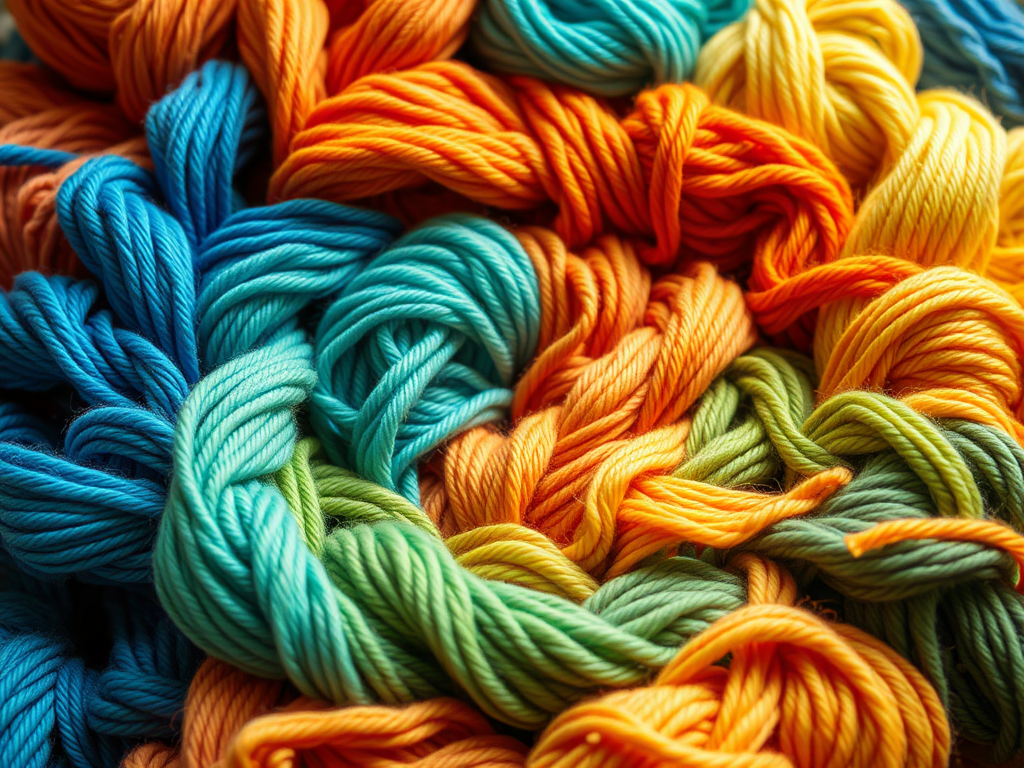
Tips for Mixing and Matching Yarn Colors
Selecting your yarn colors often brings anticipation, and yet sometimes it’s overwhelming. There are multitudes of hues to choose from, making it easy to second-guess your decisions. Yet mixing and matching compatible colors is something that you can learn with a little understanding of the core principles of color theory and practice.
Master the Basics of Color Harmony

One of the most crucial aspects of pairing yarn successfully is learning the concepts of color harmony. When you discover which colors work together naturally, your choices will be intentional and cohesive.
Using the Color Wheel as Your Secret Weapon
The color wheel helps visualize how colors relate to each other, making it easier to create balanced combinations. Complementary colors are located across from each other on the color wheel and are best used when you desire bold contrast. They are often combined with one main color and a small amount of the contrasting color. Blue and orange are examples of complementary colors.
Analogous colors are located next to each other on the color wheel and usually consist of three or four colors that are similar to each other. An example of this is blue, teal, and green. Often used in gradient or subtle striping patterns, they blend smoothly. Similar to the designs of complementary colors, a dominant color is chosen, with the other colors providing a natural-looking, soft contrast.
Triadic color schemes are used when you want to give the design vibrant energy. These colors are spaced equally in the form of a triangle. An example would be blue, red, and yellow. There is a general rule that triadic colors are used with one dominant color and two accent colors in proportions of 60-30-10 percent. Using this color scheme invokes a feeling of playfulness and high energy. For an in-depth explanation: Color Theory for Knitters & Crocheters – KnitPal
Playing With Warm and Cool Tones
Warm and cool tones can set the mood for a design, and each tone temperature makes up one half of the color wheel. To create warm and energetic projects, warm colors work best. These are reds, oranges, and yellows. To bring a sense of serenity and a modern look, choose cool colors, which are blues, greens, and purples. One example of bringing a sense of cozy energy into winter beanies is to use rustic colors such as muted reds and yellows, with a natural off-white or buttery cream, which will brighten up grey winter days. When you use a warm or cool color as a dominant color, it’s fine to use its opposite sparingly as an accent.
Balancing Light, Medium, and Dark Values
Color value refers to how light or dark a color is. Your chosen color value is as relevant as the hue you pick. If you have a colorblock design you are working on, your contrast may be too weak if you choose colors with a similar value. Coupling light and dark yarns provides more contrast. If you do choose similar values, make a couple of swatches and then take a greyscale photo of them side by side; if the contrast is well-defined, the colors will not blend together in the photo.
Mix Solids, Variegated, and Textured Yarns with Confidence

You can create distinctive designs by incorporating distinct yarn styles. When you understand how these combinations work with each other, you can ensure that you will produce alluring outcomes.
Pairing Variegated Yarn with Solids
Variegated yarns shine best when paired with solid or tonal colors. Tonal color is a palette made from a single hue that is mixed with black, grey, or white to create different shades. A variegated yarn containing multiple colors like blue, gold, and cream in a speckled pattern would pair well with a softer color, such as ecru, or a solid navy. The idea is to make the variegated yarn the feature, with a solid color to back it. Using two variegated colors in the same design may make it look confusing as they visually compete with one another. Using Variegated Yarn: Tips for Working With Multicolored Skeins
Let Texture Guide Your Color Choices
When creating a project that calls for textured stitches, such as popcorns or cables, solid colors will best define these stitches. If using basic stitches like single crochet, have fun with multiple yarn colors. You may have noticed that cable-knit sweaters are often done in a light, neutral color like cream. This is to define the structure of the stitch and how well they were crafted. You can create a granny square or coaster using colorful scraps of yarn, using simple stitches, and create a dynamic and eco-friendly design.
Limiting Your Palette for Visual Clarity
Oftentimes, less is more. Some of the most successful crochet works rely on only two or more thoughtfully chosen shades. The most common formula for using multiple colors is to choose one dominant color, a secondary color, and an accent color.
More colors don’t always mean better results. Many successful projects rely on just two or three well-chosen shades. It is also common practice to use a neutral color with other bolder hues. For instance, use blush pink, sage green, and ivory to create a romantic feel for your project. By using these practices, you improve the natural visual appeal and cohesion of your crochet designs.
Test, Adjust, and Trust Your Creative Instincts

Despite having extensive knowledge of color theory, you can still find great value in interactive experimentation. This is done through testing your choices to validate them and derive a sense of self-confidence through experience.
Swatching Before You Dedicate
Placing skeins of yarn beside each other may give you a good impression of how they work together. However, if you go by this alone, you may find that they are not as desirable when using the actual stitches. Creating swatches before diving into a project will reveal whether the combinations you chose work harmoniously, need adjustment, or replacement because they are awkward or clash when paired. One example of a project where this is especially important is making garments, as color placement will directly affect wearability.
Finding Inspiration Beyond the Yarn Aisle
Rather than simply holding skeins against each other in the store, hoping for motivation to create a great combination, seek inspiration in the world around you. Sometimes you find the best inspiration by observing the colors of each season, your favorite fashion designs, or the interiors of homes you see in person or in magazines. You can pick your yarn palettes based on the items you find around you. How to Pick Yarn Colors That Match – The Secret Yarnery
Trusting Your Personal Style
Personal style is what allows you to express yourself in unique ways, and while knowing color theory can be extremely helpful, your instincts have priority over these guidelines. Your most successful projects happen when you use the palettes that reflect your personality and moods. So go with the palettes that represent “you”. You may prefer pastels, neutrals, or bold colors, and any design can be modified to suit personal style and individuality. Color Theory for Crafters – Wild Woollys
Turn Skeins Into Stunning Color Stories
Matching and incorporating yarn colors is an entirely creative process, with the support of color theories and artistic inclinations. When you learn what colors are harmonious based on the color wheel, and give deliberate thought to your color combinations, you can test them to achieve your ideal palette. A great deal of the enjoyment of a project that will help you build confidence comes from experimentation and discovery when you find the right selections for you.


Leave a Reply