

Crocheting with Sustainable Materials
Crochet is a craft that involves creating stitches by drawing yarn through loops with a hook. It’s a centuries-old pastime with practical applications like clothing, blankets and more. The popularity of crochet saw a rise in the 2000s. More people are realizing the detrimental effects of climate change and are turning to crochet because this art encourages eco-conscious practices using sustainable materials.
Why Using Sustainable Materials in Crafting is Important
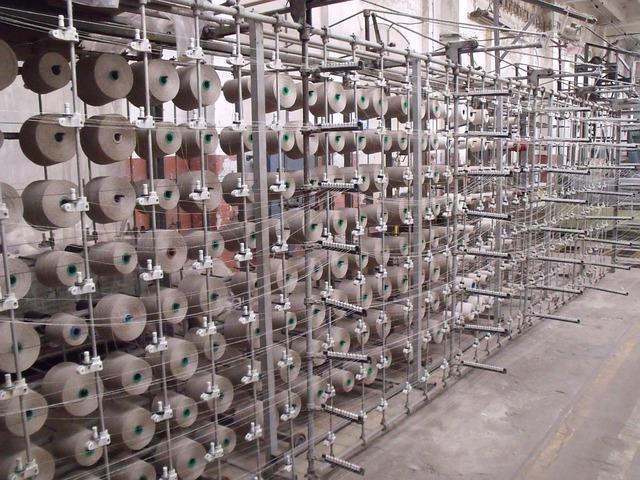
The textile industry has a history of production practices that harm the environment. The consequences of pollution from chemicals and dyes contaminate the water that hosts local ecosystems. High demand for textiles regarding fast fashion causes an overproduction of materials, resulting in over-extending the extraction of resources, which causes deforestation and depletes water supplies. The manufacturing processes use incredible amounts of energy. Promoting change by addressing these issues and promoting a more sustainable future by shifting to eco-friendly activities and sustainable materials is essential.
Crochet enthusiasts play a crucial role in sustainability in the textile industry. They have the power to dissuade the rapid and destructive production that is required of fast fashion. Promoting slow fashion, upcycling, and creating unique handmade products using recycled or natural yarns will help deter mass production and disposable garments. Consumers will better appreciate the craftsmanship and have a richer affinity with the one-of-a-kind creations. Crafters can encourage others by teaching them how to create their own crochet works using sustainable yarns and eco-friendly crafting.
Understanding Sustainable Materials
Sustainable substances are characterized by how they impact the environment, how long they exist in the environment and how much toxins they produce. These materials are either biodegradable or non-biodegradable. Non-biodegradable materials do not decompose or take much longer to degrade, adding to pollution and non-sustainable waste. Biodegradable materials will decompose and reintegrate into the environment. They typically are derived from renewable sources such as bamboo or cotton, and investing in sustainable resources in both crafting and consumerism helps reduce the carbon footprint and restore the balance in ecosystems.
Examples of Sustainable Materials for Crochet
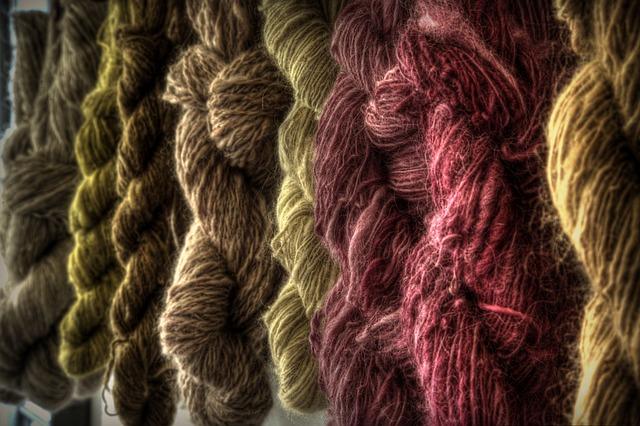
Organic cotton is environmentally friendly, as it is biodegradable. No manufactured pesticides are used because it is a sustainable farming practice. It is often softer on the skin than other options. One example of an eco-friendly cotton yarn is Lily Sugar’n Cream’s Organic Cotton. Another brand of organic cotton yarn is Knit Picks Comfy Organic Cotton.
Bamboo is another biodegradable and organic alternative. It is a renewable resource and a fast-growing plant with antibacterial properties. Two examples of bamboo yarn are Bamboo Pop by Haunui and Soft Bamboo Double by Go Handmade.
Recycled fibers can reduce the cultivation of pristine sources. Cotton yarn scraps from discarded materials and manufacturing can be recycled. Recycled Polyester materials like plastic bottles can be turned into fiber and yarn. Lion Brand has recycled cotton and polyester yarn products.
Tencel is a brand of yarn derived from Lyocell, made sustainably from the pulp of harvested eucalyptus trees. This biodegradable fiber is known to be silky, soft and highly breathable, even more cooling than linen. LB Collection Botanic Yarn is an example of Lyocell yarn.
When hemp is used to make yarn from its fibers, it produces a durable, sustainable material. Hemp is a green option because it grows rapidly and requires minimal resources. Hemp is ideal for humid climates because it is naturally mold and mildew-resistant. Wool and the Gang Buddy Hemp Yarn and Java Hemp Yarn by Fibra Natura are examples of hemp yarn brands.
The Lifecycle of Crochet Materials
Sourcing and Production of crochet materials has a profound environmental effect due to the crafting process. Ethical sourcing involves all materials required to be acquired with minimal to no environmental harm and no exploitation of workers. Looking at the differences between traditional and organic cotton farming, you will find glaring disparities:
Organic farming practices focus on sustainability, such as maintaining healthy soil and sustaining a diverse ecosystem to produce an enriched material for the planet’s and crafters’ sake. Traditional farming practices use toxic fertilizers and pesticides that deplete soil conditions. It often involves the exploitation of farm workers by overworking, underpaying them, and exposing them to dangerous chemicals.
Sustainable yarns have significant advantages over conventional ones. They have higher longevity and are more durable; organic or recycled crafting materials are known to produce enduring works that are the difference between a short-lived fad and a lasting keepsake. Some items commonly made with sustainable yarns include crochet purses, home decor items and fashion accessories. Not only are these items a testament to responsible crafting, but they are also functional and practical items you can use daily.
It’s necessary to consider each crochet material’s end-of-life and disposal options to support sustainability. Many natural yarns are biodegradable, which breaks down naturally and reduces landfill waste. It’s possible to extend the life of yarn even more. When crafters upcycle and repurpose old crochet projects, they can enjoy the experience of exciting new designs. For instance, creating a market bag from old projects or yarn scraps gives you a stylish bag to shop with while reducing the waste that comes from plastic shopping bags.
Environmental Benefits of Using Sustainable Materials
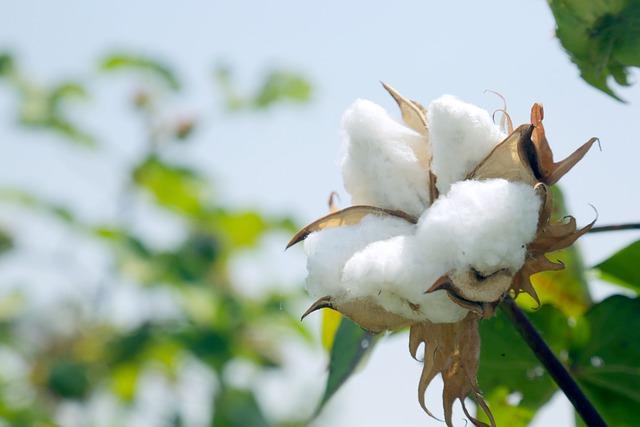
Conventional yarn production uses significant amounts of water and energy and causes gas emissions and waste. Additionally, chemicals from the dyes used are released into the ecosystem. In comparison, the production of recycled yarn uses waste from textile production that would otherwise go to landfills and reduces the amount of energy used than conventional yarn. The differences between these two are prominent concerning carbon footprints on the environment.
Sustainable farming practices are crucial in today’s world due to the alarming effects of climate change. Eco-friendly farming practices in yarn and recycled yarn production help with water conservation using efficient irrigation methods. It helps maintain soil health with practices like crop rotation. Sustainable farming reduces pollution, propagates beneficial insects and wildlife, and preserves biodiversity.
The impact on water usage is that sustainable farming practices are more beneficial than traditional farming. Overall, agriculture takes 70% of the world’s available water supply. Sustainable farming methods use 30% less water than conventional farming. Healthier soil that results from sustainable farming creates less erosion and water run-off.
Community and Philosophy of Sustainable Crochet
The philosophy of sustainability pertains to striving for a balance between economy, ecology and social attitudes to ensure the quality of life for future generations. The best way to achieve these things is not just about practicing sustainability in one’s personal life. The sustainable crochet community, both online and locally, will educate and support individuals as they do the same for other crocheters. Promoting the slow fashion movement and focusing on quality over quantity will only enhance the sense of mindfulness one finds in creating with intent.
Tips for Crocheting Sustainably
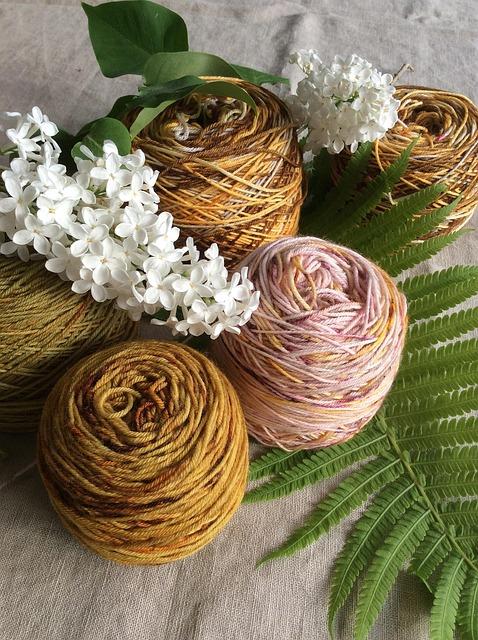
Finding organic yarns made from natural fibers is becoming easier with the rising popularity of sustainable crochet. Some resources for finding sustainable materials would be visiting local shops to see what’s available and to search online for eco-friendly yarns. Online marketplaces like Etsy have allowed craft suppliers to promote their sustainable products to a broader audience. For some beginner’s projects that support sustainability, try bags, dishcloths, and scrubbers they can use and reuse. For intermediate projects, blankets and shawls using varied leftover yarn or repurposed projects will help crocheters succeed in their contribution to encourage sustainability.
Sustainable Crochet Promoting Change
The effects of climate change are prominent and affect the entire planet. Sustainable living practices are necessary to ensure that our generation and those after us can thrive through a better quality of life. Being eco-conscious about the kind of yarns used and sharing those crochet projects with the crochet community and social media will encourage others to reduce their carbon footprint. What sustainable materials have you tried in your crochet projects? Comment below.

Leave a Reply