
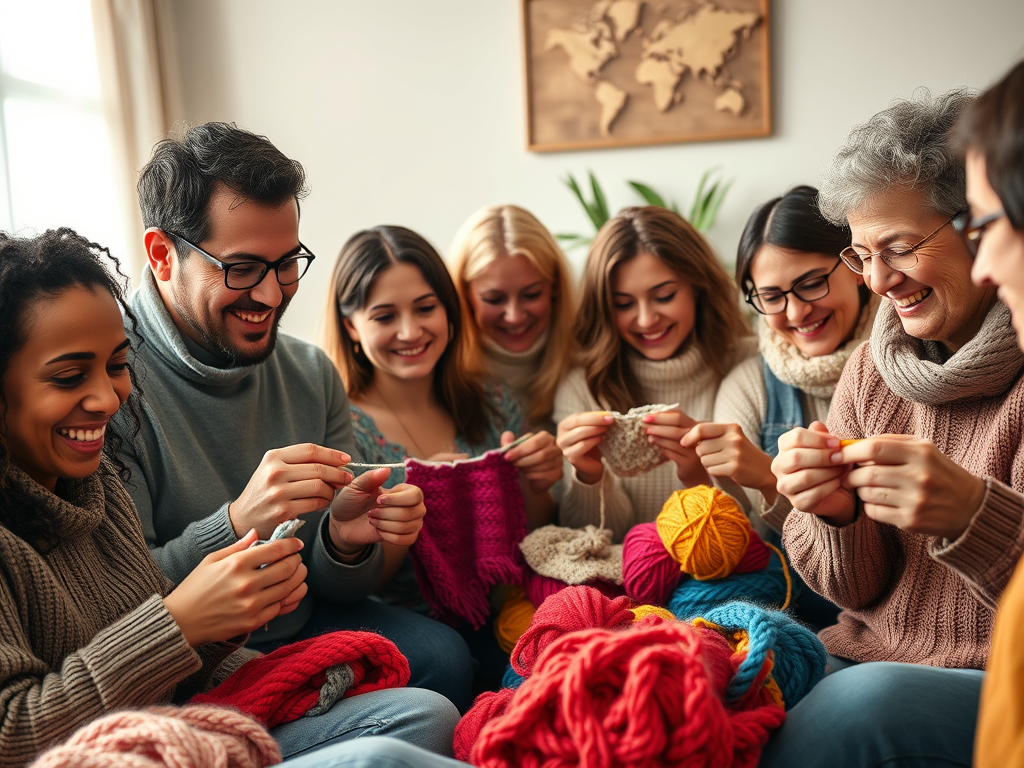
Many people crochet because they simply enjoy it, without considering all the emotional and cognitive benefits this craft has to offer. Crochet is becoming recognized as a powerful therapeutic tool not just for relaxation, but for fostering self-worth, identity, and cognitive engagement in mental health care. Explore the possibilities that crochet offers through this article.
Crochet Enhances Self-Esteem Through Tangible Accomplishment
While crochet is a relaxing pastime, it is also exciting. Starting a project with a single skein and stitching up a fabulous hat or amigurumi toy gives a sense of pride and capability. These projects are a palpable, lasting reminder of the effort and creative intentions you put behind them. No matter how big or small a project is, the same feeling of accomplishment remains.
As you create more projects, tracking your progress will reveal a reflection of your personal growth and resilience. As you experience frustrations and celebrate success from an improvement in stitch quality, it only serves to reinforce a mindset of growth. The sense of achievement that comes from conquering a difficult project mirrors the feeling of overcoming emotional challenges.
Crocheting also reinforces the feelings of having value and making a contribution through the sharing of your projects. When you gift a project to a coworker or loved one, it can heighten feelings of being appreciated for the work you’ve done. You can feel validated and supported by the positive feedback you receive when you share your creations on social media platforms like Instagram. Having your creativity acknowledged by others verifies that your endeavors are worthwhile.
Crochet Supports Identity Formation and Personal Expression
The colors, patterns and textures you use not only allow you to express yourself creatively, but they’re a statement of who you are as a creative individual. For example, using bright colors may convey a hopeful or cheerful persona or mood. The patterns you choose may reflect your cultural heritage and tell a personal story.

Sometimes, when a person experiences depression or other mental health struggles, they can lose themselves in that experience. Crafting can help them regain a sense of normalcy. Developing a style of crochet may help someone recovering from an episode of depression find their true self. For example, a traumatized Veteran who takes up crochet may reconnect to the state they were in before the traumatic events for a time.
When you become a creator, it lends a positive identity that builds a sense of self-worth. When you introduce yourself to other crocheters as a fellow yarn crafter, it gives you feelings of pride. Your identity as a crafter will be reinforced by joining crochet groups and discussing your craft with like-minded individuals who share similar goals.
Crochet Encourages Goal Setting and Executive Functioning
Planning a crochet project involves decision-making, sequencing the steps required, and allocating time to complete it. The act of selecting materials and following a pattern is a cognitive function that strengthens the mind. Breaking a large project into segments of organized time is similar to goal-setting in therapy.

Crochet helps improve focus and task persistence. As a beginner, a small project will require immense focus. As your skills progress, more complex projects will require substantial attention over longer periods. People who have ADD or anxiety can exercise concentration and help improve their condition.
Even mistakes can be a therapeutic experience as they develop problem-solving skills.
You can build your ability to adapt within the safety of unraveling stitches, then redoing them correctly. This practice is inevitable, yet it helps you build confidence when you practice handling the setbacks you experience.
Crochet Builds Social Connection and Community Belonging
Belonging to a crochet community and creating connections with other individuals fosters a sense of belonging. For instance, participation in virtual crochet-a-longs (CALs) brings people together from across vast distances. Local meetups offer an opportunity for in-person bonding, helping to reduce feelings of isolation.

When you pass your crochet skills down to others by showing them the ropes, it helps give you a sense of value and usefulness. Even the act of sharing tips in your internet circles helps give feelings of empowerment, and that is needed. Finally, mentoring others about your craft lends a sense of leadership and expertise, further demonstrating your self-worth.
Joining a crochet charity drive not only provides meaning to your crochet but also helps boost feelings of generosity. You can experience the collective impact of group projects when you create and join granny squares for afghans that will help people in need. A sense of having a purpose outside of yourself can be had from making hats for cancer patients or toys and blankets for animal shelters.
Crochet as a Tool for Trauma Recovery and Emotional Regulation
As mentioned previously in this article, crochet can help people process trauma. Trauma therapists will sometimes use crochet as a way to help clients stay grounded. Sometimes, crochet items will have symbolic meaning (e.g., a healing shawl) to represent and acknowledge an emotional journey.

When emotions are too complex to verbalize, crochet can be an outlet for the complex emotions that are felt. Expressing yourself with colors that represent your emotions, such as grief, anger, and hope, can be a cathartic experience. Instead of crying, which is hard for them, people will crochet through the tears, exhibiting a silent form of self-expression.
Times of uncertainty can sometimes result in a loss of control and predictability. The simple act of following a pattern draws structure into a turbulent period, reducing feelings of being overwhelmed when things are chaotic. Having a project in progress provides a sense of continuity and purpose, serving as an anchor.
From Yarn to You: Rebuilding Through Craft
While crochet is a relaxing, thus therapeutic activity, the power it has to heal and nurture has a direct impact on people’s lives. It builds self-esteem and cognitive skills. Crochet projects are opportunities to bounce back from emotional traumas. This makes crochet a valuable tool in the realm of modern mental health treatment. So, remind yourself that you are more than your struggles by diving into a creative crochet project.

Leave a Reply