
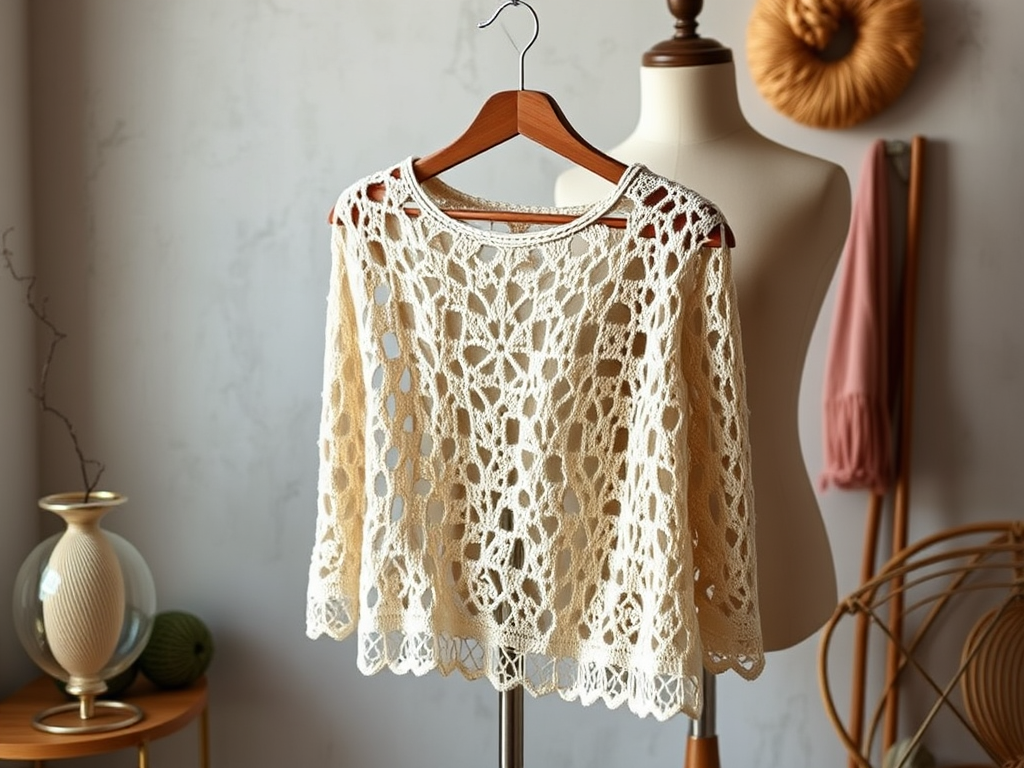
The History of Crochet: From Funky Threads to Fashion Statements
The beginnings of crochet began as a way to embellish clothing and grew into an international fashion sensation. From the past, simple garments for survival have transformed into a sophisticated art form, making their way down the grandest runways and going viral on social media. Explore the fascinating world of crochet, from its humble beginnings to its triumph today, in this article.
Crochet from Beginning

The earliest techniques that resembled crochet as we know it were first noted in Arabia. Simple implements resembling hooks were used to make loops to create trims for garments. Similarly, these looping methods were also used in China to embellish ceremonial garb. During the 16th century, crochet evolved into delicate lace-making techniques in Europe and became a symbol of elegance and refinement among aristocrats.
During the 19th century, in Victorian England, crochet was a more affordable option to costly lace, thus more available to a wider group of people. Patterns were being published in Women’s magazines and books, making the craft accessible to an even wider range of people and providing an outlet for self-expression. But it was Queen Victoria who sparked a surge in popularity by crocheting garments for charity, influencing fashion and philanthropy.
Crochet circulated to various countries and became a way to support families. The most notable instance was Ireland’s potato famine between 1845 and 1852, carrying families through great hardship. Crochet soon found its way to the world of haute couture, where elaborate designs were showcased on runways. And in the Americas, crochet merged indigenous motifs and European designs, fostering rich cultural expression.
A Funky Revolution

Over time, crochet evolved into an across-the-board movement in the craft world. It’s become more complex and more like an art form. The influence of crochet has touched lifestyle, impacted fashion, and given individuals creative license to express themselves. The evolution of crochet reflects the freedom of individuality, an artisanal spirit, and the power of community. It’s more than a hobby from the past; crochet grew into a movement.
During the 1960s and 70s, people sought to express themselves through freedom and individuality. With its bold colors and personality, crochet became a statement of these ideals. It became the roots of DIY and pop cultures, representing chicness and artistry, while symbolizing a rebellious nature.
Through time, the popularity of crochet has waxed and waned, but the revival in the late 60s led to a rise in the publication of pattern books and crochet kits. Crocheters were empowered by creating their own designs. The resulting designs were given as cherished gifts, born of love and symbolizing originality. An age-old tradition known as the crochet circle fostered community and cultural openness, helping crochet’s surge in popularity.
Crochet made its appearance in mainstream pop culture during this time. Crochet apparel frequently adorned album covers and music videos, while fashion magazines often showcased crochet fashion due to the popularity of the bohemian-chic style it conveyed. Crochet throws became a staple of home decor, seen on many living room furniture pieces, providing cozy comfort on chilly nights, and breaking crochet beyond the fashion circuit.
Modern Threads, Timeless Appeal

Now is a time when crochet tradition has caught up with modernization. Crochet is a craft that people are becoming captivated by, and sustainable, slow fashion and viral social media add to its charm. It is a craft that adapts to the digital age, while still keeping its timeless class.
Prominent fashion icons such as Dior and Chanel have incorporated crochet into their seasonal collections to celebrate its artistry and craftsmanship. Items like handbags, wraps, and elegant dresses are shown on runways and worn by celebrities on red carpets, a blend of classic style and modern glamour.
Sustainability is being adopted by many, as people support handmade, eco-friendly techniques such as upcycling yarn scraps to create new designs. Sustainable techniques reduce waste and offer a unique, environmentally friendly way for people to help the environment by avoiding the purchase of mass-produced garments that do not lend to individuality. Social media has sparked a digital-age crochet revival, with tutorials and crochet challenges that fuel creativity and add excitement for crocheters as they embrace their personal expression.
Making a Sustainable Statement of Individuality
Stretching across centuries into its modern resurrection, crochet proves to be more than just looping yarn with a hook. It speaks about culture, sustainability, timelessness, and originality. From the eager beginner to the expert crafter, crochet’s possibilities are endless when one wants to express creativity and individuality.

Leave a Reply