
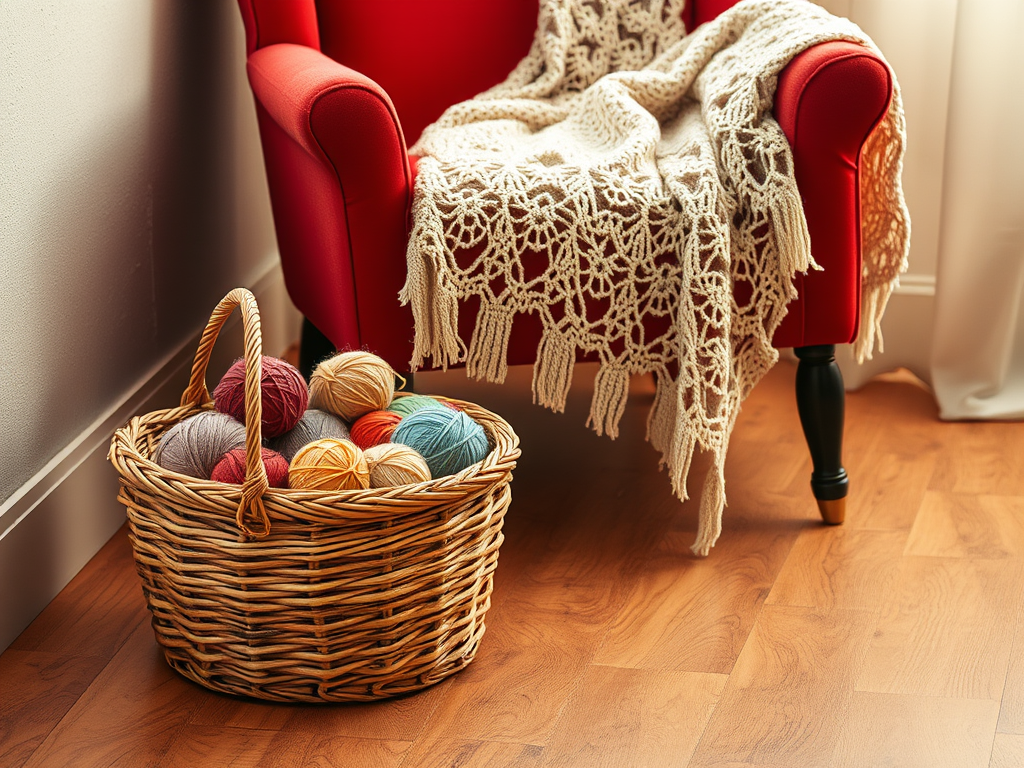
How to Organize Your Crochet Supplies Efficiently
Nothing makes a crochet project flow more smoothly than good organization. When your yarn and tools are unorganized, your project may face frustrating interruptions like tangled yarn, missing hooks, and trouble finding patterns. You don’t need a devoted crafting room or expensive storage. You are creative by nature if you crochet, and you know your own habits; with this, you can create an organizational system for your supplies.
Turn Yarn Chaos into Creative Calm
There are many ways yarn can be stored, so what it comes down to is how you want to store your yarn. You may naturally gravitate toward colors, or by yarn weight and fiber content, to determine where to find the yarn for specific projects. Some like to store yarn by brand. Ideally, you will want to store your yarn in clear containers or bags so you can find your desired yarn at a glance while protecting it from dust, pet hair, and humidity.

The types of storage options you use will vary depending on the different types of yarn used. Cotton and acrylic yarns do well with some air circulation, so vented plastic bags, open baskets, and cubbies are suitable storage solutions. Wool and specialty fibers should be stored in sealed containers to prevent damage. Your storage containers will be dictated by the available space you have. When space is limited, stackable clear plastic bins or underbed storage may be a good answer. Rolling carts may be the right choice because they are portable and can be moved from room to room. To create a visually appealing display, use cubbies and shelves to turn your supplies into colorful decorations.
Your works in progress need storage, too. Canvas totes or plastic bags will protect and keep things organized. These options will let you keep all your materials, tools, and patterns easily accessible. They will also help when you wish to take your projects with you to work on outside the home. Leftover scrap yarn can be stored according to yarn type and weight in bins or bags. This way, when you are working on small projects that have color changes, like amigurumi or granny squares, you can make something useful with it instead of creating landfill waste.
Keeping Hooks and Tools Easy to Find
Storing your hooks helps you always know where you can find them. There are several great options that people have used. Roll-up fabric or crocheted cases can hold full sets or multiple hooks of the same size. Clear plastic pencil bags can hold hooks, scissors, measuring tapes, and stitch markers, so you can easily access what you need for your project. Other storage methods for the home are jars, small desktop caddies, or desk organizers. Being able to view your hooks immediately is not only convenient, but it also helps prevent buying duplicates.

Small notions that disappear frequently, as mentioned before, can be stored in a clear pencil case when working on your current project. For the stitch markers, scissors, tapestry needles, and other small items you are not using, you can use small divided containers such as bead cases or drawer inserts. Using clear containers is ideal so you can find what you need at a glance.
One great advantage of crochet over other crafting activities is its portability. Having small projects that you can stop and start easily or finish in under two hours allows us to kill time in waiting rooms, on commutes, or while traveling. This is why you should employ a crochet travel kit. You only need room for your yarn, tools, and notions, using some of the suggested storage items discussed.
Building a Functional Crochet Workspace
When you only have so much space, vertical storage can be your friend. Over-the-door storage, pegboards, and wall shelves take up less floor space. Furniture that also serves as storage, like ottomans and benches, is a functional piece that can store your current projects or bulkier yarns without making your space look cluttered.

Having an organized pattern library will help you access past and future projects quickly and efficiently. Whether storing them in physical form with three-ring binders and sheet protectors or in a digital library on the cloud, you create a system that is easy to reference or reorganize as you need to. Grouping by project types, difficulty level, or yarn weight is just a few of the options to turn to. The important thing is to find what works with your personal style.
To keep your yarn and tool storage in its most effective state, it’s good to do a little maintenance on it on a regular basis. It’s recommended that you go over your supplies and tools to make sure they are in the right place and to purge any unwanted supplies. There might be a yarn cache that you had good intentions for, but changed your mind and won’t use for other things, so you can part with it to free up space. Maybe you have far too many crochet hooks and want to donate them to schools. These cleanings can be done monthly, quarterly, or at least once a year.
Organization Facilitates Your Crocheting
Your organized space does not have to be rigid or perfect. Having a managed space is about being efficient enough to be able to focus on your projects without having to stop to look for the items you need. You can free yourself from chaos in your projects to a situation of serenity and calm. When you can store your yarn in a way that makes skeins clearly visible, and you know exactly where all your hooks and notions are, you save so much time without searching for them. This way, you are spending more time counting stitches to a finished design.


Leave a Reply