
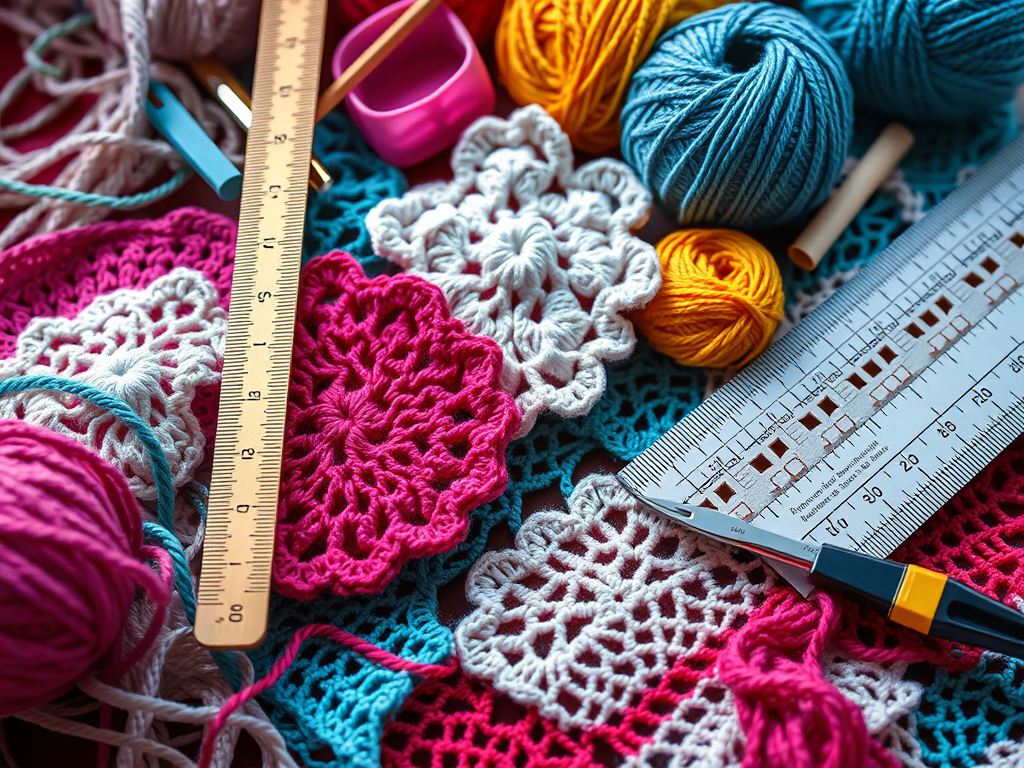
What a Wonderful World This Would Be: The Science of Crochet
To heighten your creativity and claim your mastery of crochet, you can explore the science behind the craft. Working with yarn tension and understanding the characteristics of fibers will help you reach advanced crochet levels. Discover this and the mathematical principles underlying stitch counts and pattern design in this article.
Introduction to Crochet Mechanics
Crochet is indeed intertwined with scientific principles in several ways, but you don’t need a science degree to get the science behind crochet. There are a few scientific principles behind the aspects of the techniques, materials and tools. For instance, when you experiment with tension and consistency, you are aligning with the concepts relating to physics. By working for a consistent tension, you are seeking a predictable outcome resulting in even stitches through experimentation.

The Scientific Applications of Crochet Tools
Experimenting with different hook sizes and their related density is related to geometry, measurements, and engineering. As you know, using larger hooks leads to looser stitches. Conversely, smaller hooks result in tighter ones. Understanding how these events parallelly affect the outcomes of various tools is a fundamental aspect of engineering. When applying these scientific principles, you are initiating progress in the form of adept techniques and results.
The Chemistry of Yarn Fibers
Understanding the fibers used in yarn and how they behave, e.g., absorbency, consistency, and elasticity, is a process of analysis. Moreover, the dyes used in yarn can affect the strength and durability of the fibers. For example, how you discovered the contrasts between a natural fiber like cotton or wool, and a synthetic like acrylic and nylon. Learning about the properties of fibers empowers you to choose which fiber will ultimately produce the desired outcome of your project.

Materials and Their Properties
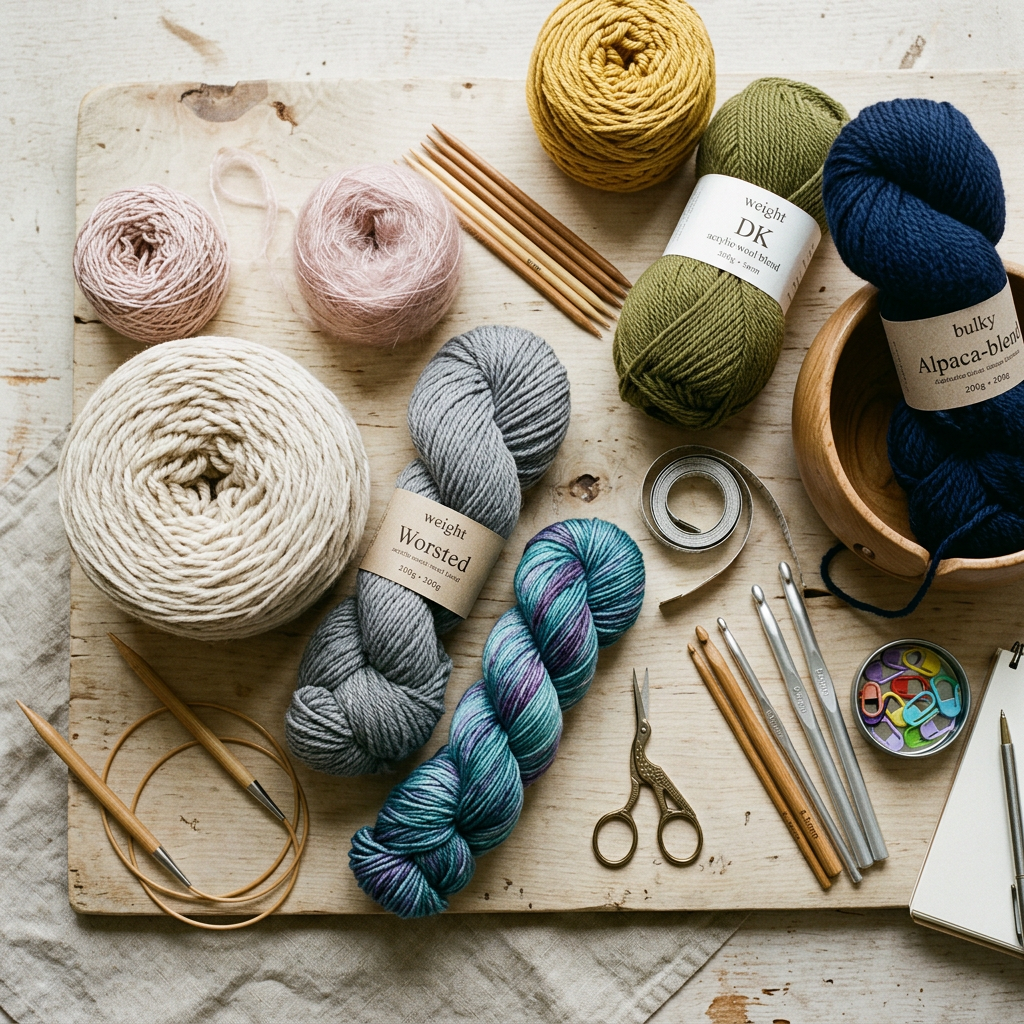
Various materials used for crochet carry unique attributes, all of which will affect the end results of your project. Cotton yarn is firmer and more absorbent, making it ideal for facial scrubbies, potholders, and garments that require wicking qualities. Wool yarns deliver elasticity and are known to be warm, most commonly used for garments or accessories. Synthetic fibers may simulate natural ones, but might have different behaviors, such as being less breathable and having less adequate wicking attributes.
The Role of Mathematics in Crochet
When you crochet shapes such as squares and circles, you are implementing basic geometry. Creating gauge swatches involves calculating the number of stitches and rows to produce the desired project size. Additionally, when you apply stitch counts, you can increase or decrease your work as needed and calculate designs that result in a smooth design.
Bridging Art with Science
As the combinations of art and science intersect, our crochet experience and its outcomes are enriched. While you recognize the mechanics behind your creative growth and precision as you create designs, it enhances your experience. Comprehending the science behind crochet activities opens up avenues for innovation and the development of personal styles. All of these aspects can lead to greater satisfaction and will lead to mastery of your craft.


Leave a Reply