
Stitching Inclusivity: How to Make Crochet Patterns Accessible for Everyone
Crochet can be extremely satisfying; however, some projects may be overly challenging because the patterns seem to be written in a secret code. People learn in different ways and at different paces, and for beginners, visual learners, or people with disabilities, what should be fun can soon be disappointing. If you’re a designer, you can make patterns more accessible with three simple approaches. Explore these options in this blog and make your patterns clear and concise.
Simplify Language for Clarity

When a crocheter picks a pattern for a project they’re excited about, they should feel confident they can follow the instructions without getting overwhelmed. This is why a pattern should be written in plain and clear language. Including a list of abbreviations for stitches like single crochet (sc) and instructions like yarn over (YO) is necessary to work as a key to the pattern instructions. Special stitches and their abbreviations should appear after the abbreviation key, with instructions for making them. It’s not only a map to show a reader what to expect, but it can also be a reference in case someone needs to reverify the stitches.
Breaking up instructions into smaller sections, such as a certain number of rows that have the same instructions and another small section for when stitches change. This will help make your pattern manageable and reduce frustration. Including a stitch count at the end of each row or round will help crocheters stay on track.
Offering different versions of your pattern, whether more elaborate explanations for beginners or ones that are less verbose for your advanced audience, is thoughtful and will make your crocheters happier. You can also color-code sections for size variations when you design an item, such as a hat, and readers want to make it for adults, teens, children, or infants.
Enhance Visual Accessibility

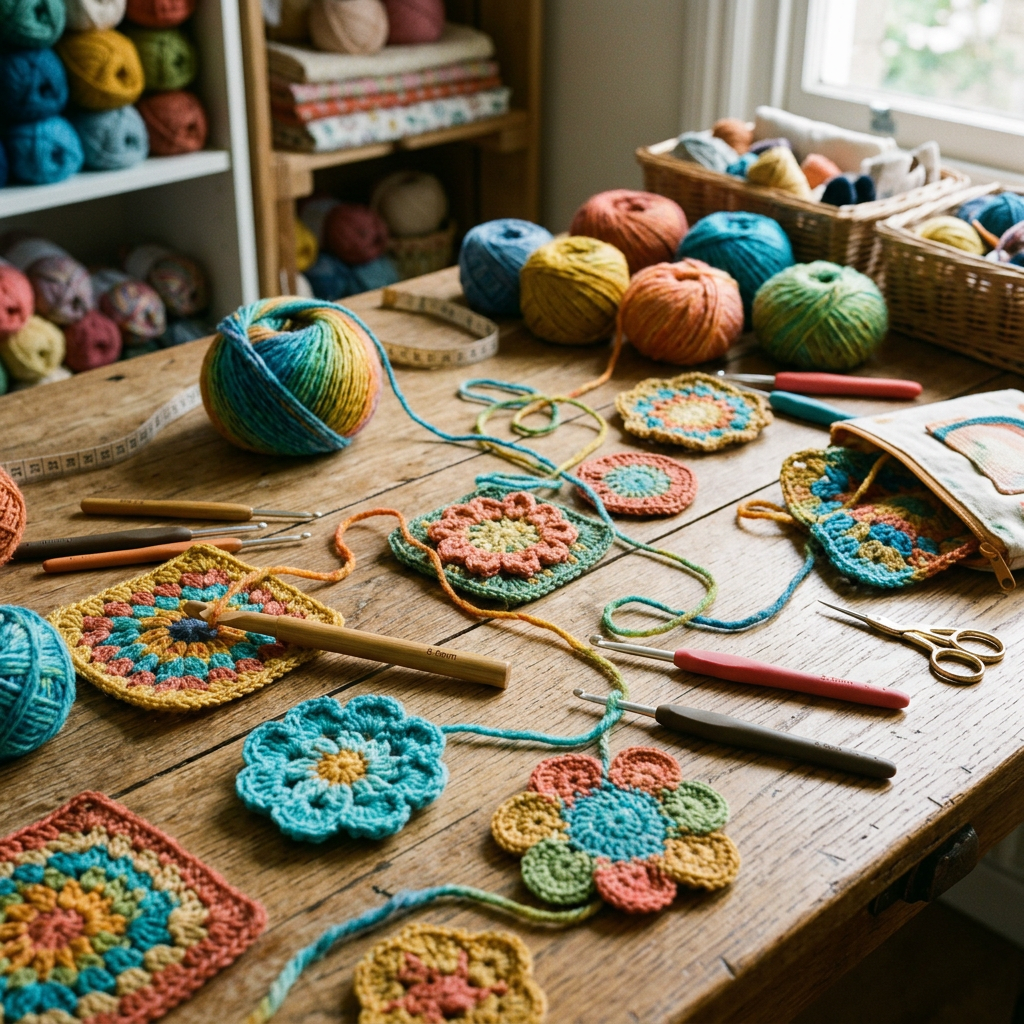
Crochet is a visual activity, so your images should be outstanding. Using high-quality pictures of important steps, such as special stitches or finishing touches, makes a huge difference in the readability and understanding of the pattern. Use light-colored yarn that makes for easier reading of details, and contrasting colors for multicolor designs. You can add text or shapes like arrows or stars to point out the position of the hook.
Not everyone has the same learning style. Some like to read, some do better with reading, and others may only learn best visually. Others use a combination of techniques. Videos can help you connect with audio and visual learners, and give further clarity as someone reads a pattern with the video. Use short clips when you are designing with a complex stitch. Include captions so they can read along with the video, and consider slower videos for beginners. When you have your own blog or YouTube channel, you can reach a broader audience.
Diagrams and charts are also things to consider adding to your pattern. Make fonts and symbols large enough for them to be clear and readable so that everyone has an easier time interpreting them. The more approaches you take to create your pattern instructions, the more you make your patterns accessible for all kinds of crafters.
Make Patterns Inclusive

When you consider a pattern design’s instructions, you want to make it accessible to everyone. People with visual impairments may need screen-reader-friendly PDF files in larger print, and audio versions will help them appreciate that you are being inclusive.
When thinking of inclusiveness, translate your patterns into multiple languages for a broad, worldwide audience. Using universal symbols using US and UK measurements helps give your pattern fit in most languages. Finally, consider those who have certain needs. Include instructions for left-handed individuals, and make videos for each hand. You can add tips and recommend tools, such as ergonomic or larger hooks, for people with arthritis or carpal tunnel. This will show thoughtful consideration and add further accessibility to your innovation.
Include and Empower Your Instructions
Creating accessible crochet patterns goes beyond mere written instructions filled with abbreviations. Your audience should include all types of instructions that welcome everyone and empower them. With simple language, quality visuals, and a consideration for other diverse needs, you can make your work an ultimately enjoyable experience. Let’s be mindful and practice inclusivity in our designs.


Leave a Reply